
What To Check Before Opening Up Old Walls
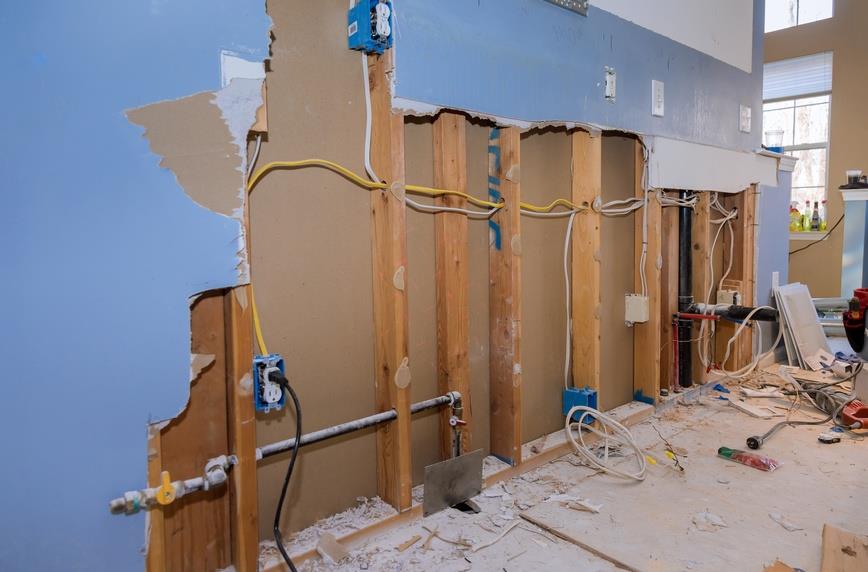

Older homes have a way of stirring the imagination. One homeowner pictures an open kitchen, another dreams about uncovering original brick, while someone else simply wants a little more natural light. Those ideas can become reality, although what to check before opening old walls starts with understanding what may hide behind the drywall or plaster. A little planning before demolition can prevent expensive surprises and keep a remodeling project moving in the right direction.
Understand What the Wall Actually Does
Every wall inside an older home serves a purpose, although that purpose is not always obvious until renovation begins. Some support the weight of the floor above or contribute to the home's structural stability, which means removing one without proper planning can create problems that reach far beyond the room being remodeled.
Many homeowners research older home remodeling problems before making design decisions because those projects frequently uncover outdated framing, hidden water damage, or electrical systems that no longer meet modern expectations. Looking beyond the finished surface creates a clearer picture of what the renovation may involve before demolition begins.
Look for Hidden Materials Before Demolition
Opening an older wall can reveal far more than old insulation or forgotten wiring. Houses built decades ago sometimes contain building materials that require specialized handling, especially when renovation disturbs surfaces that have remained untouched for years.
Before swinging a hammer, homeowners should understand the circumstances that may require removing asbestos, since disturbing certain materials without proper precautions can release hazardous fibers into the air.
Expect Older Electrical and Plumbing Systems
Once walls come down, contractors sometimes uncover electrical wiring that predates current building standards or plumbing that has reached the end of its service life. Replacing those systems while the walls remain open usually makes more practical sense than closing everything up and returning later for another renovation.
Even when those upgrades increase the project budget, they can improve safety, reduce future repair work, and accommodate modern appliances without placing additional strain on aging infrastructure. Hidden utility routes can limit where contractors place new cabinets, windows, or fixtures, requiring design changes that align with the home's existing infrastructure.
Planning Creates Better Renovation Outcomes
Older homes tell much of their story only after the walls come down, revealing details that can reshape renovation plans before new materials go into place. Homeowners who take the time to evaluate those discoveries can make informed decisions as construction moves forward. What to check before opening old walls ultimately comes down to understanding more about your home before covering everything back up, allowing each stage of the renovation to move ahead with greater confidence and fewer unexpected setbacks.
Are You a Professional?
Requests for your services are coming in left and right. Let’s connect and grow your business, together.

