
Tips on How to Redesign Your Home’s Closed-Concept Layout
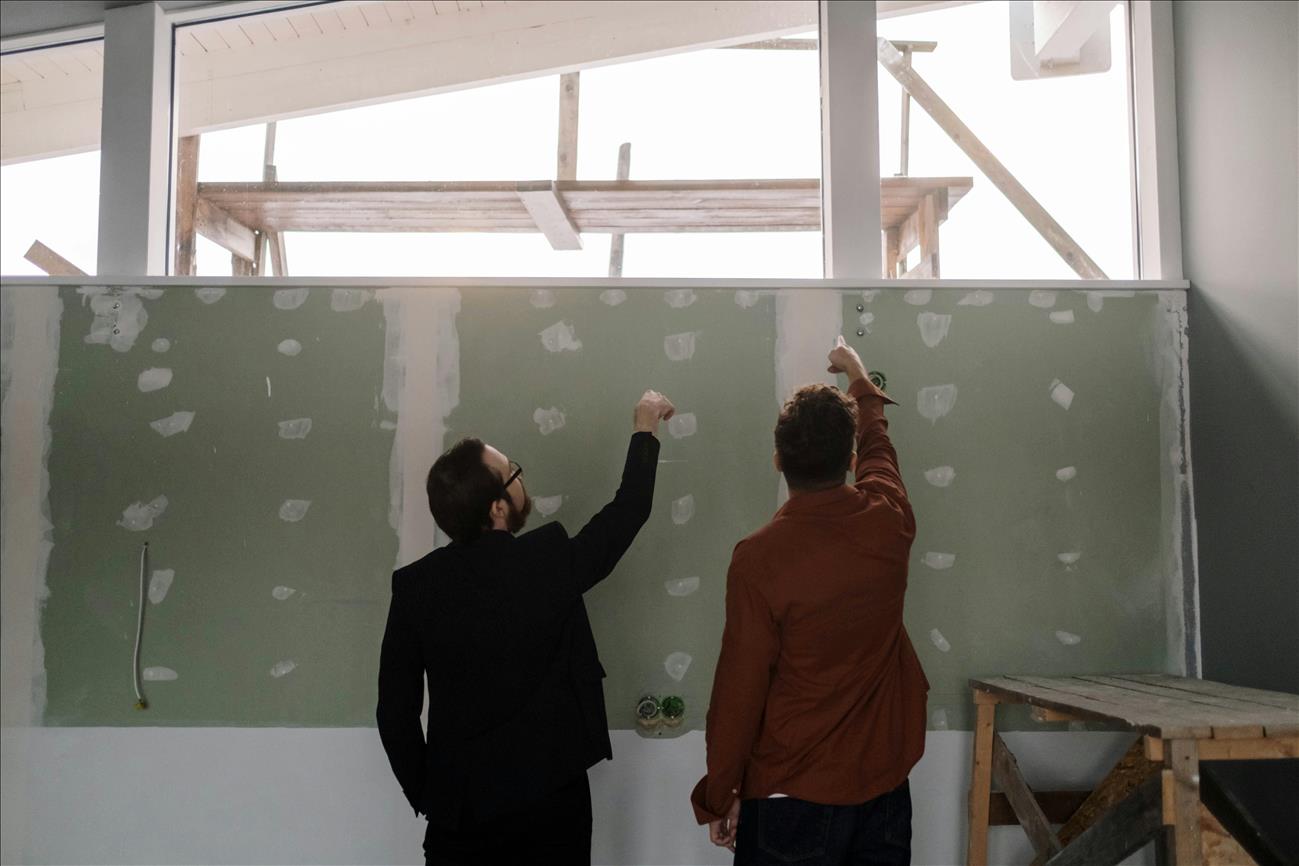

Older homes feature closed-concept designs with walls that limit space, light, and air. When families expand or work and leisure requirements overlap, such layouts may make dwellings smaller, darker, and less suitable for daily living. Lack of line of sight across rooms might isolate daily chores and limit flow in shared spaces. The redesign of such space can add comfort, connection, and functionality to the house. Proper planning can open up the layout, improve flow, and allow more light into shared areas, enhancing both appearance and functionality.
Assess the Framework and Know the Walls
It is necessary to know how the house was constructed and which walls are supporting the roof or the upper floors before any changes are made to the walls. The demolition of a structural wall can also destroy the house or lead to safety hazards unless it is done properly. The walls that can be removed or modified can be identified by a building plan or with the help of a structural expert. Once that is realized, then one can make modifications to open up rooms without interfering with the house structure. Not all the walls of a closed layout have to be structural, and even non-load-bearing walls may be hiding electrical wires, air ducts, or plumbing. These components have to be verified and scheduled prior to any modifications commencing. Relocating these components may add to the expenses or require adjustments to the redesign. Being aware of what is behind every wall makes work efficient and prevents delays that may arise due to surprises. A close inspection of every wall will make the process of updating the layout of the home smoother.
Strike a Balance between Openness and Functional Zones
In а closed layout, the rooms tend to have а specific purpose, e.g., cooking, dining, or relaxing. Those lines can be blurred when walls are taken down unless new boundaries are established. An open space should be functional, not chaotic. Furniture arrangement and rugs, lighting, or floor changes can be used to separate the space into zones without walls. This enables the space to be open and at the same time functional for various daily activities. An effective redesign ensures that every new zone relates to other zones in a natural manner. Seating places must be intimate to common places such as the kitchen or dining area, and working places must be more silent and strategically located. Open spaces allow sound, light, and scents to travel more easily, so zones should be thoughtfully arranged and designed. The use of soft furnishings, thoughtful lighting, and layouts all contribute to a flow whilst ensuring that each section of the space is separate and functional.
Fresh Feel with Light and Air
Closed design excludes natural light and traps air, making rooms seem smaller and stuffy. Eliminating room barriers lets more sunshine in and improves home ventilation. To optimize these benefits, add larger windows or glass doors to increase light. Maintaining window spaces open, clean, and uncluttered helps in achieving the objective of increasing light in the house. The opening up of rooms also enhances fresh air flow. The heating and cooling systems can be more effective when the air can circulate freely throughout the area. The distribution of air is more even with ceiling fans and vents. There may be some alterations that are necessary around kitchens and bathrooms to get rid of moisture and smell. It is a comfortable house, easy to clean and pleasant to use during the day due to good light and air circulation.
Design Uniformity Across the Space
When a closed layout is opened, there are no walls that separated styles, materials, or colors. This may make the space feel disjointed unless the design is continuous between one zone to another. Flooring must be similar or flow well from one place to another. The colors and finishes of the paint must be compatible and must feel like they belong to the same concept. Walls may come down, but cabinets, counters, and trim may require updating to preserve visual harmony. Creating a shared theme does not imply that everything should be identical. Subtle variations can still be used to reflect various functions and moods in each zone, but they should have enough details in common to make them feel like they belong to each other. The repetition of colors, wood tones, or shapes gives a smooth flow to the visual. The selection of finishes that appear clean, simple, and timeless prevents the space from being too busy or confused. A peaceful and compatible environment is simpler to appreciate and handle with time.
Plan for Debris and Waste Removal
Effective disposal of debris leaves construction sites clean and safe, and renting a dumpster will make sure that waste does not accumulate and hinder workplaces. Placing an order to deliver a dumpster of the right size prior to the start of demolition or other heavy work permits the crews to get rid of the old materials at once, reducing the amount of clutter and tripping hazards. Wood, drywall, and mixed debris have clearly marked bins that assist in sorting the waste on the spot, thereby saving time to move the materials around the site. It is also possible to order pickups on а need basis with а trustworthy rental partner and prevent overflow, helping the project progress smoothly through each stage.
A specific dumpster also helps with recycling since it can separate materials that can be reused from general trash, thus reducing the cost of disposal, and also protects the environment. Having the dumpster stationed in a place that is readily accessible and near the primary working area saves time and energy, allowing workers to focus more on the job itself. Regular fill level checks and scheduled alterations or removals keep work flowing and minimize last-minute delays. Homeowners and contractors can book a dumpster rental in Atlanta or their local area to manage garbage professionally and effectively.
Conclusion
Redesigning а closed-concept house can make it more spacious and more comfortable and enable natural light and air to enter more areas of the house. By planning the structure, layout, design flow, and storage, every step contributes value and convenience to the living experience. The time to think through the changes will make sure that the final space is not only open and beautiful but also safe, efficient, and prepared to support everyday living.
Are You a Professional?
Requests for your services are coming in left and right. Let’s connect and grow your business, together.

