
The History and Legacy of Federation Home Design
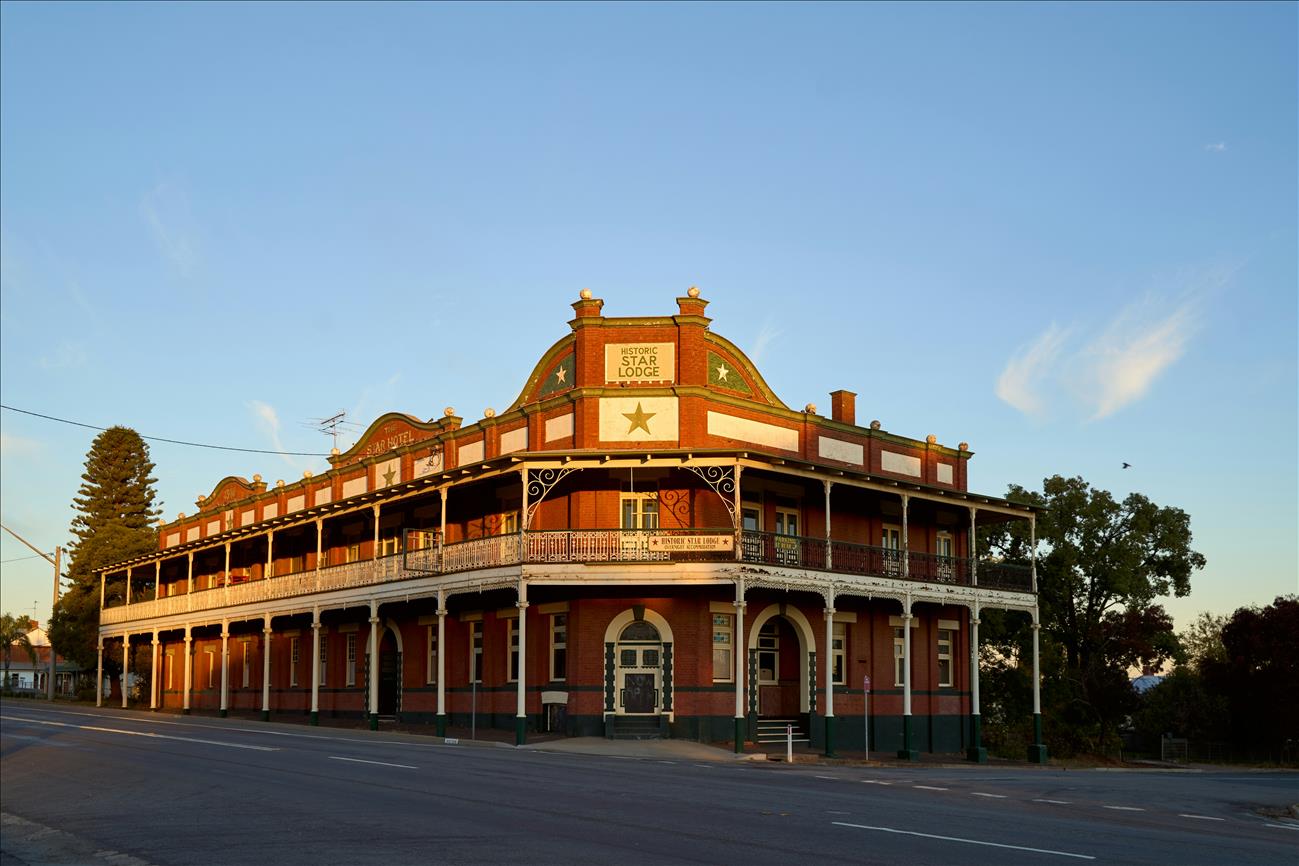

Federation home design is one of Australia's most beloved and enduring architectural styles. Originating in the late 19th century and flourishing through the early 20th century, Federation architecture reflects a pivotal moment in Australian history—one marked by burgeoning national identity, optimism, and pride. These homes are not just admired for their ornate detailing and craftsmanship, but also for the way they capture the spirit of an era. The legacy of Federation design continues to shape Australian suburbs, both aesthetically and culturally.
Historical Context: Birth of a Nation and a Style
The Federation period, roughly spanning from 1890 to 1915, coincided with Australia’s unification into a commonwealth in 1901. As the six colonies federated into one nation, there was a palpable sense of patriotism, cultural awakening, and desire for architectural expression unique to Australia. This national pride deeply influenced the design of homes being built at the time.
The Federation style was not a single architectural movement but a synthesis of several influences, including Queen Anne revival, Edwardian design, and the Arts and Crafts movement. What made it distinctly Australian was the incorporation of local motifs, materials, and a strong emphasis on adapting to the Australian climate and lifestyle.
Key Characteristics of Federation Home Design
Federation homes are immediately recognizable due to their detailed craftsmanship and ornate features. They commonly feature:
- Red brick exteriors: Often with decorative tuck-pointing or contrasting trims.
- Terracotta tiled roofs: Gabled and often adorned with finials and ridge cresting.
- Verandahs: Spacious, shaded, and typically featuring intricate timber fretwork or cast iron lacework.
- Leadlight windows: Stained or colored glass showcasing Australian flora and fauna.
- Tessellated tile verandah floors: Typically laid in geometric patterns.
- High ceilings and ceiling roses: Enhancing ventilation and grandeur.
- Timber detailing: Particularly in skirting boards, archways, and decorative cornices.
While influenced by British styles, Federation homes adapted to the Australian landscape. For example, wide verandahs provided protection from the sun, and materials like locally sourced timber and brick became architectural staples.
Subtypes Within Federation Architecture
Several substyles emerged under the Federation umbrella, each emphasizing different aspects of the era's design preferences:
- Federation Queen Anne This was the most popular and recognizable subtype. It borrowed heavily from the British Queen Anne style but localized the detailing. Hallmarks include asymmetrical facades, bay windows, decorative gables, and elaborate verandahs.
- Federation Bungalow A simpler, more relaxed evolution of the style, Federation Bungalows emphasized horizontal lines and informal living. They were typically single-storey, with broad eaves, and better suited for suburban development.
- Federation Arts and Crafts Inspired by the international Arts and Crafts movement, this style focused on handcrafted detail, natural materials, and harmony with the environment. Federation Arts and Crafts homes often had roughcast walls, exposed beams, and minimal ornamentation compared to Queen Anne variants.
- Federation Filigree More common in Queensland, this style adapted to the tropical climate by maximizing airflow through the use of timber filigree, stilted foundations, and open-plan layouts.
Cultural Symbolism and National Identity
Federation homes were more than architectural feats—they were symbols of a new Australian identity. Decorative motifs often featured native flora like waratahs, flannel flowers, and gum leaves. Animals like kangaroos and kookaburras appeared in leadlight windows and wrought iron gates. These design choices were deliberate expressions of pride in Australia’s natural heritage.
This was also a time when the concept of “home” began to reflect not just comfort, but a burgeoning sense of belonging to a nation. Home ownership became a goal for many Australians, and Federation homes represented both status and cultural allegiance.
Urban Development and Federation Suburbs
As Australian cities expanded, especially in Sydney and Melbourne, whole suburbs blossomed in the Federation style. Areas like Haberfield in Sydney and Camberwell in Melbourne became showcases for these homes, reflecting early 20th-century aspirations for middle-class suburbia.
Haberfield, often referred to as Australia’s first “garden suburb,” strictly enforced Federation design principles through building regulations. Homes were built with generous setbacks, landscaped gardens, and a uniform aesthetic. This suburban planning approach contributed significantly to the style’s legacy, demonstrating how Federation design was about more than the individual home—it was a vision for communal living.
Preservation and Restoration
In the latter half of the 20th century, many Federation homes faced threats from modernization and urban redevelopment. However, there has been a significant shift toward preservation and restoration, particularly since the 1970s. Heritage listings have protected many such homes, and their architectural value has become widely recognized. Restorers and heritage enthusiasts often go to great lengths to preserve original features, sourcing period-appropriate materials and replicating original decorative details. Working with a reputable Federation home builder is often essential in achieving historically accurate results while ensuring the structure meets modern living standards. Restoration is often labor-intensive and costly, but for many homeowners, the reward is living in a piece of Australian history. Moreover, the real estate market has responded accordingly—Federation homes in desirable areas command high prices, further cementing their legacy as coveted architectural gems.
Modern Adaptations and Influences
While the Federation period ended over a century ago, its influence continues to shape contemporary Australian home design. Many new homes emulate Federation features—particularly verandahs, gabled roofs, and timber trims—blending tradition with modern convenience.
There’s also a rise in hybrid styles, where Federation homes are extended or renovated with contemporary materials and layouts. Modern kitchens, open-plan living areas, and updated bathrooms are often added while maintaining the historical façade. These homes offer the best of both worlds: heritage charm and 21st-century functionality.
Moreover, the Federation ethos of harmony with the natural environment is echoed in sustainable design today. Concepts like passive ventilation, use of local materials, and integration with the landscape—pioneered by Federation designers—are again prioritized in modern builds.
Legacy in the National Consciousness
Federation home design is more than an architectural style—it’s a cultural legacy. These homes tell the story of Australia’s coming of age, capturing a moment of unity, optimism, and identity. Their preservation and continued admiration reveal how deeply they are embedded in the Australian psyche.
Walking down a street lined with Federation homes is like stepping into a time capsule. The attention to detail, celebration of nature, and national symbolism endure as reminders of a formative era. These homes continue to inspire architects, homeowners, and urban planners alike, serving as a touchstone for both heritage and future development.
The history and legacy of Federation home design reveal a deeply Australian story—one of pride, adaptation, and enduring beauty. Born during a pivotal moment in the nation's formation, these homes represent more than just shelter; they encapsulate a cultural identity that has stood the test of time. Whether meticulously preserved or thoughtfully modernized, Federation homes continue to enrich Australia’s architectural landscape and national spirit.
Are You a Professional?
Requests for your services are coming in left and right. Let’s connect and grow your business, together.

