
Prune It, Treat It, or Remove It?
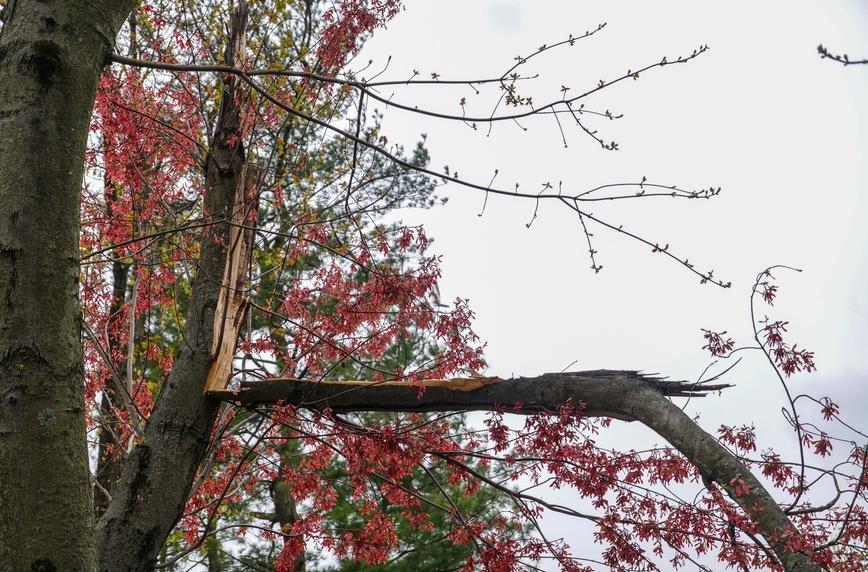

A mature tree can make your yard feel like a private retreat, but it can also spark anxiety when branches start dropping without warning. If you’re staring at a possible dying tree and debating whether to prune it, treat it, or remove it, then you may need some guidance. Trees usually send signals before they are completely dead, even if those signals are easy to dismiss at first. Reading them early can save you money, stress, and possibly a section of the fence.
When Pruning Is Enough
Storm damage, a few brittle limbs, or branches that never leaf out can look dramatic while still being manageable. In these cases, deadwooding, removing lifeless or weakened branches reduces the chance of falling debris and improves airflow through the canopy. A sturdy trunk paired with healthy new growth usually signals that the tree still has strength at its core, and strategic pruning can restore that balance without drastic action.
Arborists regularly point out that clearing dead weight limits decay from spreading into stronger wood. Selective trimming supports structural stability and secures the long-term benefits of deadwooding for tree health and safety. Which is why pruning serves as a sensible first move when the damage remains isolated, and the structure stays solid.
When Treatment Makes Sense
Yellowing leaves, thinning foliage, or bark that looks a little “off” isn’t the end of your tree. Metro-area trees face compacted soil, heat reflection from pavement, and nearby construction, all of which can stress even established species. A professional assessment can clarify whether you’re dealing with temporary stress or deeper decline and guide you on where to go.
Treatment options may include soil aeration, targeted pest control, or disease management. But addressing issues early can stabilize a struggling tree and prevent escalation. Gathering expert input first keeps the decision grounded in fact rather than fear.
When Removal Is the Safest Option
Some warning signs demand decisive action. Large sections of missing bark, deep vertical cracks in the trunk, or a noticeable lean toward your home suggest structural weakness that pruning can’t fix. When you’re weighing whether to prune it, treat it, or remove it, those structural red flags usually narrow the choice quickly. A fully dying or dead tree positioned near a driveway, roofline, or sidewalk increases the likelihood of injury and property damage, especially when wind and saturated soil happen from natural disasters.
Sentiment has its place, but safety wins when branches hang over play areas or parked cars. Homeowners should compare quotes from trusted local pros, making the process straightforward and creating a clear plan today that prevents a far messier situation tomorrow.
Are You a Professional?
Requests for your services are coming in left and right. Let’s connect and grow your business, together.

