
Pest Control Near Me: Complete Guide to Local & Effective Treatment
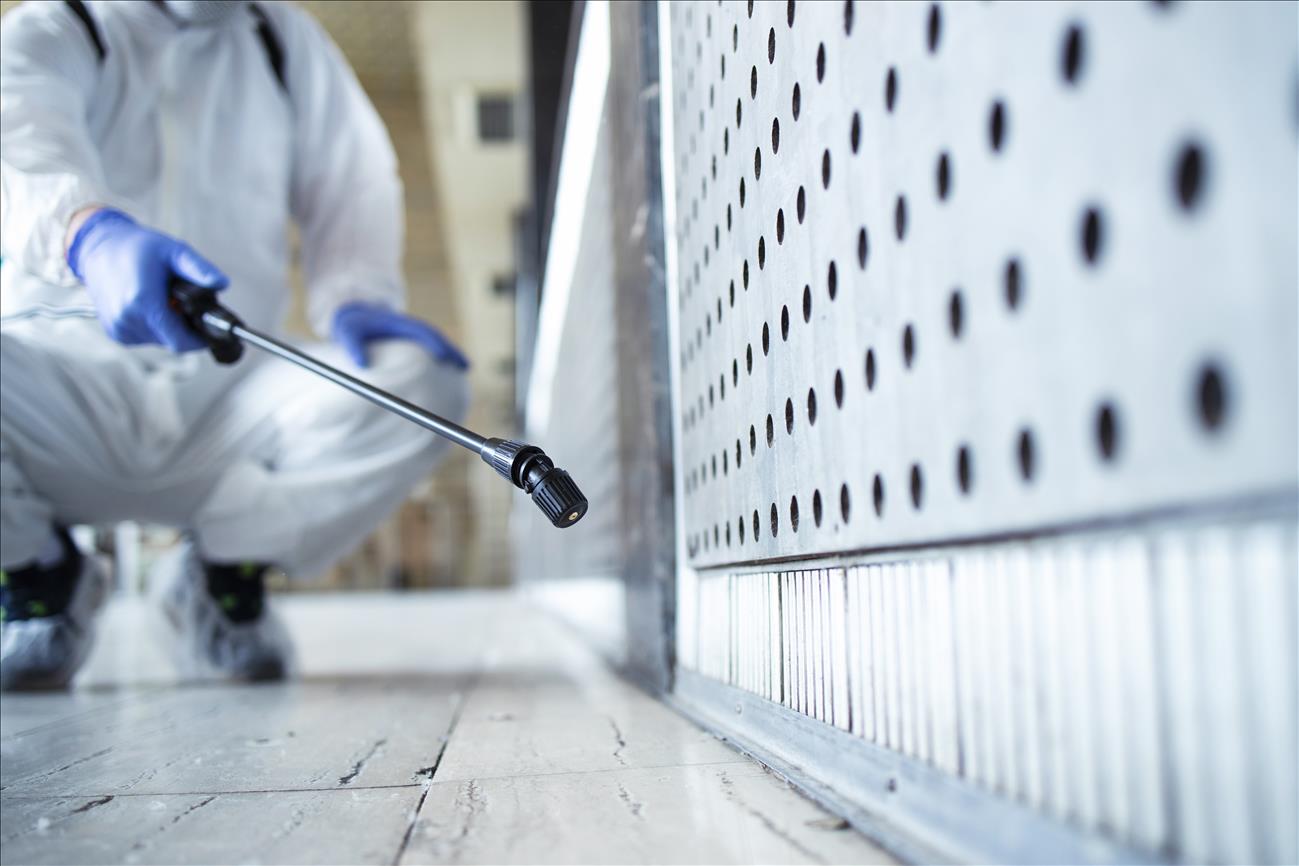

Are you searching for pest control near me and unsure where to start? Whether you are dealing with roaches in your kitchen or rodents in the attic, pests can disrupt your comfort, safety, and health. Knowing who to call and what to expect can save you time, stress, and money.
This guide will walk you through everything you need to know about hiring a local pest control service. From choosing the right exterminator to exploring eco-friendly options, we will help you protect your space with real, effective solutions.
What is Pest Control and Why is Local Service Better?
Pest control is the process of identifying, treating, and preventing unwanted insects, rodents, or other organisms from invading homes or businesses. It includes both chemical and non-chemical solutions that eliminate infestations while reducing the risk of future problems.
Hiring a local pest control service is more than just convenient, it is smart. Local companies understand the specific pests that thrive in your region. For example, homes in warm, humid climates often battle termites, mosquitoes, and ants. Cold-weather areas may struggle with rodents or overwintering insects. A local expert will tailor their treatment plans to seasonal threats and neighborhood trends.
Local exterminators also respond faster in emergencies. If you have a wasp nest outside your front door or bed bugs inside your mattress, you do not want to wait. A nearby provider can typically schedule same-day or next-day service, helping you take control before the issue spreads.
In short, local pest control means faster service, better knowledge of local conditions, and a more customized experience.
How Do I Know If I Need Pest Control Services?
Many people wait too long before calling a pest control expert. By the time they act, the problem has often spread, making it harder and more expensive to fix. So, how do you know when it is time to bring in a professional?
The first sign is visible pest activity. If you are seeing roaches during the day, ants crawling across your countertops, or mice darting across the floor, there is likely a larger problem behind the walls. Insects and rodents reproduce quickly, so what looks like a small issue can escalate fast.
Another red flag is evidence of pest presence, even if you do not see the pests themselves. This could include droppings, strange smells, grease trails, gnaw marks on furniture or wires, or damage to wood structures. For example, termites often leave behind small piles of sawdust or mud tubes on walls.
Health symptoms are also important. Unexplained bites, skin rashes, or allergic reactions could point to hidden bed bugs, fleas, or mites. Pest infestations can trigger asthma, especially in children or elderly family members.
In general, if you suspect pests or feel unsure, it is best to schedule an inspection. Many local providers offer free or low-cost evaluations. A trained expert can quickly tell you whether you are dealing with a minor nuisance or a major infestation.
What Types of Pest Control Services Are Available Near Me?
Pest control services are not one-size-fits-all. Depending on your location, property type, and pest issue, providers may offer a wide range of solutions tailored to your needs. Understanding what is available can help you make the right choice from the start.
Residential Pest Control
Homeowners can choose from single treatments, seasonal plans, or year-round prevention services. These cover common household pests like ants, spiders, cockroaches, flies, and silverfish. Many companies offer safe options for families with kids or pets.
Commercial Pest Control
Businesses have unique challenges, especially if they handle food, retail, or sensitive inventory. Local pest control companies offer discreet, scheduled services to prevent infestations that could harm your reputation or violate health codes.
Rodent and Wildlife Control
If you hear scratching in the walls or find droppings in the attic, you may be dealing with mice, rats, raccoons, or even squirrels. These animals not only cause damage but can also spread disease. Trapping, exclusion, and sealing entry points are often used.
Bed Bug and Termite Treatment
Bed bugs and termites require targeted solutions. For bed bugs, heat treatments and detailed inspections are common. Termite services include soil treatments, bait stations, and wood repair. Early detection is key with both pests to prevent structural or widespread damage.
Mosquito, Wasp & Ant Control
Outdoor areas often require seasonal spraying or larvicide treatments to reduce mosquito populations. Wasps and hornets are handled with nest removal and repellents. Persistent ant problems may need baiting and perimeter sprays.
Emergency and Preventive Services
Many providers offer same-day pest control, especially for dangerous infestations like wasps or rodents. You can also sign up for quarterly or bi-monthly treatments that stop problems before they start.
Whether you are looking to fix a current problem or prevent one, there is a local service that fits.
How to Choose the Best Pest Control Company in Your Area
Choosing the right pest control company can make all the difference. A qualified professional will not only solve your current issue but also help prevent future problems. But with so many options, how do you know whom to trust?
Start by checking for proper licensing and certifications. Pest control providers must follow local and state regulations, and they should be able to show proof of training and insurance. Look for companies that are members of national or regional pest control associations, which often require higher standards.
What to Look for in a Reliable Pest Control Provider
Next, read customer reviews on platforms like Google, Yelp, or the Better Business Bureau. Look for patterns. One or two bad reviews may not mean much, but consistent complaints about no-shows or ineffective treatments are red flags. Pay attention to how the company responds to criticism—it tells you how they treat their customers.
When contacting a company, ask about treatment plans, guarantees, and pricing transparency. A good provider will explain the process, answer your questions clearly, and offer written quotes. Be cautious of high-pressure tactics or vague pricing.
Also, consider whether they offer free inspections or bundled service plans. Some companies give discounts for quarterly treatments, termite inspections, or bundling indoor and outdoor pest control.
Finally, choose a company that feels like a partner, not just a vendor. The best exterminators listen to your concerns, adapt to your home’s needs, and offer long-term support to keep pests out for good.
Are Eco-Friendly Pest Control Methods Effective?
Eco-friendly pest control is more than just a trend—it’s a safer, sustainable approach that works. Many homeowners now prefer organic and non-toxic methods that protect their family, pets, and the environment while still removing pests effectively.
So, is it worth it? For many common pests, the answer is yes.
How Natural Pest Control Works and When It’s Most Effective
Eco-conscious pest control typically uses natural ingredients like essential oils (peppermint, rosemary, citronella), plant-based sprays, diatomaceous earth, or biological methods like beneficial nematodes. These methods disrupt the life cycle of pests without leaving behind harmful chemicals.
For example, ant and roach infestations can often be controlled with bait systems that use low-toxicity ingredients. Mosquito and fly control can involve outdoor traps or natural repellents. Even rodent problems can be addressed with humane traps and exclusion methods rather than poisons.
The biggest benefit? Peace of mind. If you have children, pets, or a garden, you can feel safer knowing that treatments are low-impact and residue-free. Many eco-friendly options also reduce pest resistance, which sometimes develops with repeated chemical use.
That said, eco-friendly methods may require more frequent applications and a slightly longer time to show results. In some severe cases like termite infestations a hybrid approach that combines traditional and organic treatments may be necessary.
If green pest control is important to you, ask your local provider what natural options they offer. Many now specialize in these safer solutions without compromising on performance.
How Much Does Pest Control Cost?
Pest control costs can vary widely depending on your location, the type of pest, and the severity of the infestation. On average, a standard one-time treatment in the U.S. ranges between $100 and $300. However, some services, like termite removal or bed bug treatments, can cost much more due to their complexity.
For example:
- Ant or cockroach treatment: $120–$250
- Rodent control: $150–$300
- Bed bug removal: $500–$1,500+
- Termite treatment: $700–$3,000, depending on property size and damage level
You can also choose routine pest control plans, which are billed monthly or quarterly. These plans usually cost between $40 and $70 per month, offering ongoing protection and free follow-ups if pests return.
Other pricing factors include:
- Square footage of your home or building
- Type of treatment used (eco-friendly vs. traditional)
- Emergency or after-hours service fees
- Local market rates
The best way to get an accurate price is to request multiple quotes from licensed local providers. Most offer free or low-cost inspections, helping you understand the scope of the problem before committing.
DIY Pest Control vs. Hiring a Pro: What’s Better?
DIY pest control can be tempting. A quick trip to the store and a few sprays or traps might seem like a cheaper solution. But while do-it-yourself methods work for minor issues, they often fall short with larger infestations or hidden problems.
DIY is best for:
- Preventing pests with sprays, caulk, or repellents
- Managing isolated sightings of ants, spiders, or flies
- Keeping your space clean, sealed, and unattractive to bugs
However, most pests reproduce quickly and hide in walls, basements, or crawlspaces. Without proper tools, knowledge, or access to professional-grade treatments, DIY efforts often miss the root of the problem.
Hiring a licensed exterminator ensures:
- A full property inspection (not just surface treatment)
- Pest-specific solutions that target eggs, colonies, or nests
- Safe, approved chemicals and methods
- Long-term prevention plans and follow-ups
While DIY may seem cost-effective, repeated attempts can add up. In many cases, hiring a pro early on can save you money, protect your home’s value, and give you peace of mind.
If in doubt, start with a free quote or inspection from a trusted local provider—you’ll get clarity fast.
What to Expect From a Local Pest Control Visit
If you have never hired a pest control service before, you might be unsure of what to expect. Most local visits follow a clear process designed to diagnose, treat, and prevent pest problems with minimal disruption to your day.
Step 1: Inspection
The technician begins with a thorough inspection of your home or property. They will check entry points, dark corners, moisture-prone areas, baseboards, crawlspaces, and the perimeter to identify where pests are hiding or entering.
Step 2: Diagnosis and Plan
After the inspection, the technician explains what pests they found, how bad the issue is, and which treatment options make sense. You will receive a written plan or quote outlining the process, timeline, and pricing.
Step 3: Treatment
Depending on the pest, the provider may apply sprays, traps, baits, dusts, or eco-friendly alternatives. For serious infestations, a return visit or extended treatment may be needed. You may be asked to vacate certain rooms for a few hours.
Step 4: Aftercare and Prevention
A good provider will offer tips for preventing future issues, like sealing cracks, removing food sources, or scheduling follow-ups. Some companies include warranties or free re-treatments if pests return.
Knowing what to expect helps you prepare and ensures you get the best results.
Get Started: How to Book the Right Pest Control Near You
Booking the right pest control service near you is easier than you might think. Whether you need immediate help or routine protection, most providers offer fast, no-obligation quotes—often on the same day.
Step 1: Request Quotes
Use trusted platforms like Billy.com to compare local, licensed pest control professionals. Enter your ZIP code, describe the problem, and get matched with nearby providers in minutes.
Step 2: Ask the Right Questions
Before booking, ask:
- Are you licensed and insured?
- What’s included in the treatment?
- Do you offer eco-friendly options?
- Is follow-up included in the price?
These questions help you filter out low-quality services and find the best value.
Step 3: Schedule Your Visit
Choose a date and time that works for you. Many companies now offer evening and weekend availability, so you do not have to disrupt your routine.
By acting early, you prevent minor issues from becoming major problems. And with multiple quotes in hand, you can move forward with confidence and clarity.
Final Thoughts: Stay Pest-Free with Trusted Local Help
Dealing with pests can feel overwhelming, but it does not have to be. With the right help, you can restore peace, safety, and comfort to your space quickly and affordably. Choosing a local pest control provider means faster response times, better knowledge of regional pests, and more personalized service.
Whether you are facing an active infestation or want to prevent future issues, it pays to act early. Routine inspections and eco-friendly treatments can stop small problems from turning into expensive repairs.
Ready to protect your home or business?
Get Started Today
Compare quotes from licensed pest control experts near you and find the right solution for your needs. The sooner you act, the sooner you can enjoy a pest-free space with no surprises, no stress, and no pests.
FAQs About Pest Control
Is pest control safe for pets and kids?
Yes, most professional pest control companies use family- and pet-safe products when requested. Make sure to inform the technician about any pets or children before the visit. They will take extra precautions, such as using bait stations or avoiding sensitive areas.
How often should pest control be done?
It depends on your location and the pests you're dealing with. Most homes benefit from quarterly treatments (every 3 months), but high-risk properties or those in warmer climates may need monthly service. Some pests, like termites or bed bugs, require one-time intensive treatments followed by monitoring.
What’s the difference between extermination and pest management?
Extermination is about quickly eliminating pests, often with chemicals. Pest management, on the other hand, is a more strategic, long-term approach that includes inspection, prevention, treatment, and monitoring. Most modern companies offer Integrated Pest Management (IPM), which focuses on lasting results with minimal impact on the environment.
Can I skip pest control in winter?
Pests do not disappear in colder months they often move indoors. Winter pest control helps stop rodents, spiders, and overwintering insects before they become a problem. Year-round service is your best defense.
Are You a Professional?
Requests for your services are coming in left and right. Let’s connect and grow your business, together.

