
How To Spot Rust on Your Outdoor Furniture
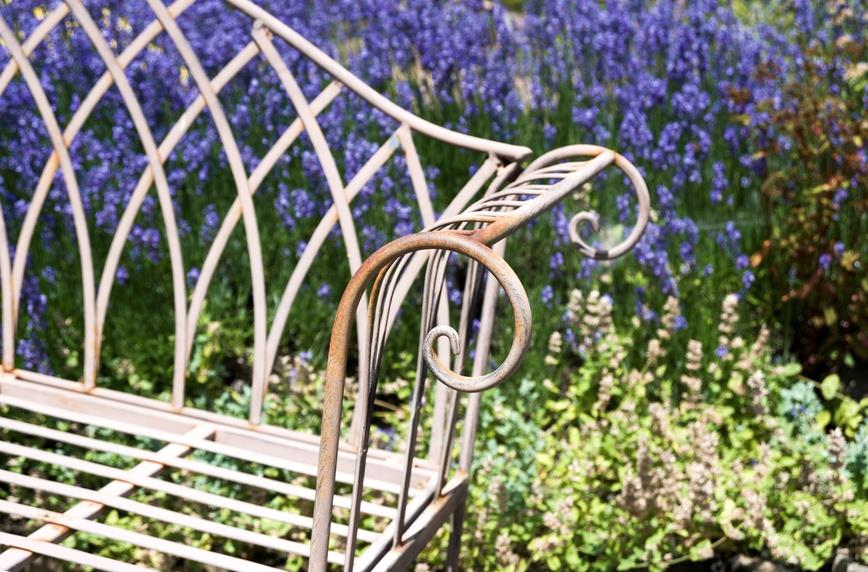

Outdoor furniture puts up with a lot: rain, sun, sprinkler spray, pollen, muddy paws, and that one cousin who treats every chair like a recliner. Metal patio pieces can handle plenty, but rust has a way of sneaking in before you notice a real problem.
The good news is that you do not need a toolbox, a chemistry degree, or a Saturday you will never get back. Below, we’ll show you how to spot rust on your outdoor furniture, and what to do when you find it.
Start With the Usual Rust Hideouts
First, begin where water lingers. Rust collects on metal surfaces from exposure to moisture and humidity. Check the bottoms of chair legs, the underside of tabletops, screw heads, welded joints, hinges, and any spot where two metal pieces meet. These areas dry slowly, which gives rust more time to settle in and get comfortable.
Flip lightweight pieces over, and look beneath them in natural light. Rust may appear as orange dust, reddish-brown streaks, bubbling paint, or rough patches that feel gritty under your finger. If the furniture sits on grass, pavers, or a damp deck, pay extra attention to the feet and lower frame.
Know the Difference Between Surface Rust and Trouble
An important part of spotting rust on your outdoor furniture is understanding the difference between surface and deeper rust. Surface rust usually looks like a thin, powdery coating. It may wipe away partly with a rag, and the metal underneath still feels solid.
Deeper rust tells a different story. Look for flaking metal, soft spots, holes, cracked welds, or areas where paint has lifted like a tiny blister. If a chair wobbles, creaks, or leaves rust marks on your patio after you move it, the damage may have spread beyond the finish.
Look Closely at Paint, Coatings, and Hardware
Paint and powder coating act like armor, but scratches give rust a front door. Look for chips along armrests, table edges, and chair backs, especially where the pieces contacts the ground or other furniture backyard cleanups.
Hardware deserves its own inspection. Screws, bolts, and brackets may rust before the main frame does. Once hardware weakens, the whole piece can feel unstable, even when the visible frame still looks decent.
Decide Whether to Clean, Repair, or Replace
You can typically clean, sand, prime, and repaint a small rusty patch, if you catch it early. Handle it early, and you can stretch the life of a good patio set without turning the project into a backyard renovation saga. When rust spreads across structural joints, eats through legs, or returns quickly after cleaning, that’s an undeniable sign it’s time to replace your outdoor furniture.
Keep Rust from Coming Back
Once you find rust, treat it quickly. Clean off dirt, dry the metal thoroughly, touch up scratches, and store pieces away from standing water. Small habits matter here, especially during humid months or stormy seasons.
Patio furniture does not need to look showroom-perfect to be worth keeping. It just needs to stay safe, stable, and pleasant enough that guests sit down without giving the chair a suspicious little shake first.
Are You a Professional?
Requests for your services are coming in left and right. Let’s connect and grow your business, together.

