
How To Make Your Home Feel More Private

Most homeowners want bright rooms and a comfortable connection to the outdoors without giving neighbors or passersby a clear view of daily life. But the trick is treating privacy as part of the home's design.
Figuring out how to make your home feel more private starts with noticing where that feeling breaks down. A few thoughtful changes can make the house feel more secluded while preserving the openness that makes it pleasant to live in.
Start With the Views That Bother You Most
Before buying new curtains or adding landscaping, spend some time noticing which windows make you feel exposed and whether that changes throughout the day. Look toward the glass from the places where you regularly cook or relax, then check the view from outside to understand what someone near the street or driveway can see.
How you use the space matters just as much as what someone can see through the window. An exposed hallway may barely register because you only pass through it, whereas a clear view of your favorite chair can leave you conscious of being visible every evening. Focusing on the windows that affect your comfort most allows you to address genuine privacy concerns.
Give Your Windows More Than One Job
Because the amount of privacy you want can change throughout the day, window coverings need enough flexibility to accommodate your routine. Morning sunlight may be welcome even when afternoon glare isn't, and once the lamps come on at night, fuller coverage can suddenly become much more appealing. A fixed treatment may leave you compromising during at least part of the day.
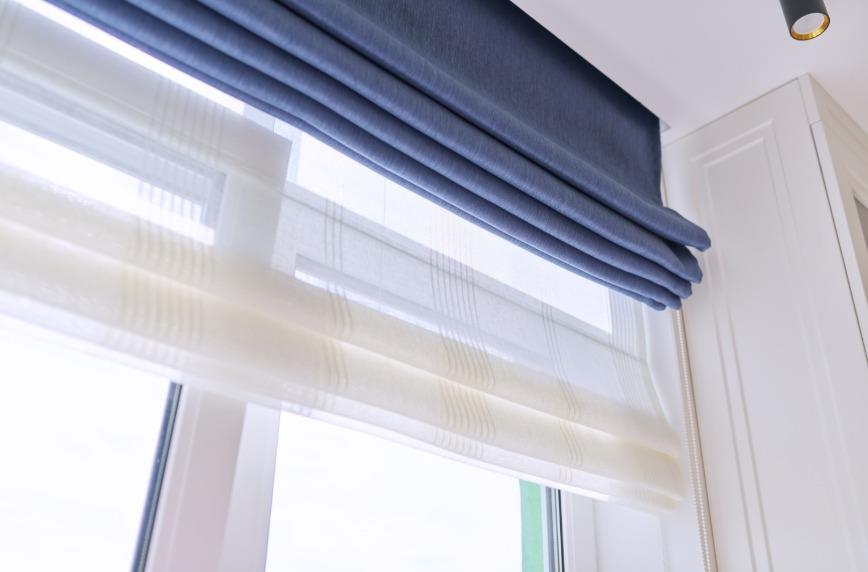
Combining treatments can accommodate those shifts without making the windows unnecessarily complicated. A shade might control strong sunlight while curtains provide additional coverage after dark, allowing you to adjust the window as your needs change. Sheers offer another option for rooms where you want to soften a direct daytime view without losing the sense of openness that natural light provides. When dressing the windows in your home, consider how you actually use each space before settling on a treatment.
Rearrange the Room Before Replacing Anything
Sometimes the least expensive privacy upgrade involves moving furniture a few feet, particularly when a favorite sitting or working spot falls directly within a window's sightline. A desk positioned in front of a street-facing window can leave you visible for hours, whereas turning it toward another wall preserves much of the sunlight without putting your workday on display.
Furniture throughout the room deserves the same consideration because even a modest shift in position can change what someone sees from outside. Moving a chair away from the glass may interrupt an awkward view without requiring another purchase. Working from the actual sightline makes it easier to find a subtle adjustment that improves privacy without disrupting a room you already enjoy.
Rethink What Happens After Sunset
A room that feels comfortably private during the afternoon can become surprisingly exposed after sunset because the relationship between indoor and outdoor light changes. Daylight makes many interiors harder to see from outside, but once darkness settles in and the lamps come on, attention naturally shifts toward the brighter space behind the glass.
Checking the view from outside after sunset can reveal privacy problems that aren't apparent during the day, especially around windows near bright interior lighting. Moving a lamp farther from the glass may reduce how much of the room stands out, while closing a shade before switching on brighter lights can provide more coverage when you need it. And for windows where conventional coverings don't suit the space, using window tint for night privacy is a great alternative to traditional window coverings.
Use the Yard To Create a Softer Boundary
When an exposed window faces a sidewalk or neighboring property, creating some distance outdoors can interrupt the sightline before it reaches the house. Strategic landscaping works particularly well when you want more privacy without covering the window itself, since a hedge or cluster of container plants can screen the problem area while leaving much of the surrounding view open.
Where you place that screening matters more than how much of it you add, so focus on the specific angle that leaves the room exposed. A well-positioned trellis near a patio may accomplish more than a barrier stretching across the property, though any permanent addition should account for the sunlight reaching nearby windows. The goal is to create a comfortable boundary outside without making the rooms inside darker or the yard feel unnecessarily enclosed.
Give Private Rooms Their Own Strategy
Although front windows attract attention first, the other sides of a home may require more thoughtful privacy decisions because bedrooms and bathrooms expose more personal parts of daily life. A bathroom window, for example, needs enough coverage to obscure the view without sacrificing every bit of daylight, whereas bedroom treatments should provide dependable privacy after dark while remaining easy to adjust during the day.
Home offices introduce a different concern, especially when a window gives someone outside a clear view of computer screens or paperwork, even if the person working there isn't particularly visible. Looking at what needs protection in each room leads to better choices than repeating the same treatment throughout the house, allowing privacy to fit naturally into the way each space functions.
Make Privacy Feel Like Part of the Design
Privacy upgrades work best when they look and feel like choices you would have made for the room anyway. Curtains that complement existing furnishings can provide coverage without appearing purely functional, while thoughtfully placed greenery can screen an unwanted view and make the outlook from inside more appealing. When a solution contributes to something beyond privacy, it becomes part of the home design instead of an obvious response to feeling exposed.
Day-to-day usability deserves equal consideration because even an attractive treatment loses its appeal if it darkens the room too much or becomes tedious to adjust. Before committing a change, consider whether it suits the way you actually use the space and whether you would still appreciate it without the privacy benefit.
A Little Privacy Can Change the Whole Mood
Home feels different when you can settle onto the sofa, walk through the kitchen, or work at your desk without wondering who can see inside. You do not need to block every view to get there. Targeting the sightlines that create genuine discomfort can make a larger difference than covering the whole house.
Ultimately, how to make your home feel more private comes down to deciding where you want a stronger boundary between home and the outside world. Thoughtful window choices can address one room, while a furniture adjustment may solve another. When those changes reflect the way you actually live, your home can stay bright and welcoming without feeling like part of the neighborhood scenery.
Are You a Professional?
Requests for your services are coming in left and right. Let’s connect and grow your business, together.

