
5 Realities Everyone Starting Homesteading Should Know
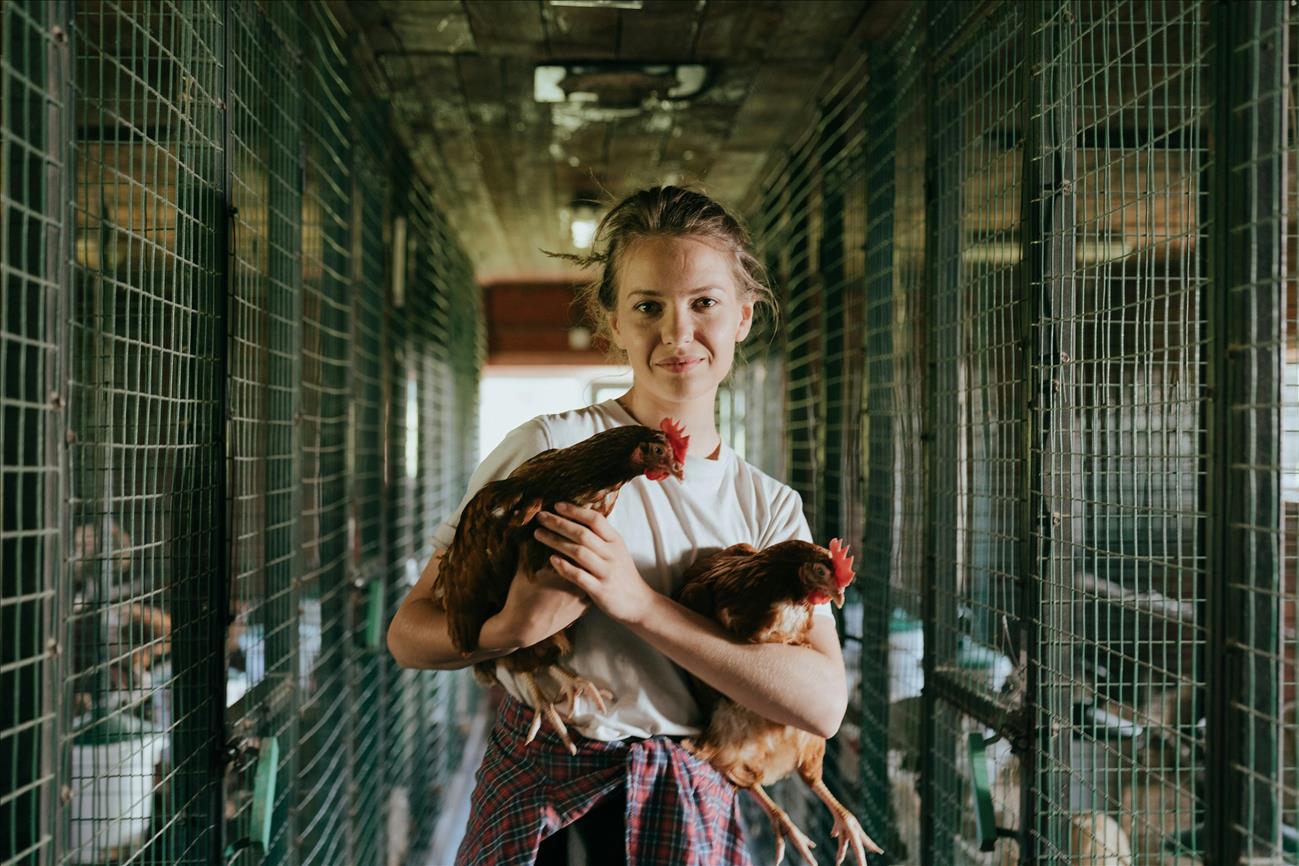

Leaving modern comforts behind is like a rebellious act. Most people purchase food online, whereas homesteaders grow their own. Though it involves great effort, this existence celebrates independence and self-reliance. From the outside, growing food, rearing animals, and working the ground seem simple; yet it is not at all. When the ground dries out, animals get ill, or equipment fails, there are no quick cuts. Sometimes, well after dark, days finish when the work is completed rather than with a clock-out. A lovely basket of fresh vegetables on Instagram, probably followed by a morning of fence repairs or feed delivery in the rain. Homesteading drives away people seeking immediate gratification. It's not impossible; nevertheless, knowing what to anticipate will enable you to persevere with it through difficult times.
1. Nature is Not Concerned About Your Plans
Though nature does not follow your calendar, you may create all the plans you want. Overnight weather might change; pests can take over your garden; once tested, ideal soil can cease producing. One storm may destroy many weeks of labor. No matter how carefully you prune, fruit trees will not always produce. From locked enclosures, animals may disappear. Especially goats, proving that your fences are incorrect. Learning to homestead helps one become adaptable. You will learn to change, respond, and stay on even if everything appears out of your hands. The actual boss out here is nature; success comes from working with her rather than against her.
2. Animals Demand a Full-Time Commitment.
Bringing animals onto your property is a great responsibility, not just a way of life decision. Many people begin with excitement, believing that keeping goats or chickens will be easy. Every animal, however, has needs: protection from predators, clean water, housing, and a balanced diet. Chickens require regular attention as well as safe coops. Goats require nutrients, foot trimming, and a fence strong enough to withstand their continual testing. Even simple creatures, like ducks, can be intimidating. They need a correct social balance and pure water. And all of it costs money. Animal care does not fit part-time. You must perform it daily, regardless of the weather conditions. You cannot skip it only because you are weary. It might be best to wait if you're not ready to commit to it. Though it appears serene and fulfilling, beekeeping is not as simple as purchasing a kit and assembling a box. Starting with a strong queen bee, make sure to buy queen bees from a trustworthy supplier, bred for your environment and disease-resistant—success begins. The whole colony may collapse under a weak queen. You also have to know how nectar flow works, how to control mites, and how to handle swarming. Time is everything. Books help, but nothing replaces practical knowledge. Beekeeping calls for diligence, respect, and quick judgments. It's more about actively managing a small, sophisticated world than about only observing bees.
4. Isolation Will Test Your Relationships
Homesteading usually entails living distant from cities—and even from your social life. Friends may initially visit, but with time, the distance and increasing list of responsibilities will make trips more difficult. Even relatives might find it difficult to know why you're skipping occasions or are too busy to communicate. Constant labor within the house might put pressure on relationships or marriages. Tension arises if one person feels the weight more than the other. Open communication and common beliefs are thus very vital. Homesteading transforms your identity rather than just your place. And everyone in your life must also be ready for that transformation.
5. Not Everything You Grow Will Be Eaten—and That's Alright
Not every crop that you grow gets used on the table. You could end up overproducing and not using it all. Other times, fatigue can cause a crop to fail before harvesting. No matter how cautious you are, pests and illnesses can occur. However, not a single item goes to waste. Piles of compost transform trash into fertile soil. Your animals get leftovers from the greens. In failed harvests, you learn time and planning. Every error strengthens more effective systems. Homesteading is about starting a cycle wherein even the losses have worth. The strength and resilience of the ground you are building demonstrate success, not the number of meals.
Conclusion
Homesteading is an aggressive decision to exchange convenience for significance, not a retreat. Though it's not for everyone, those who persist with it discover a deeper type of wealth, earned by labor, suffering, and an unquestionable connection to nature.
Are You a Professional?
Requests for your services are coming in left and right. Let’s connect and grow your business, together.

