
Creating a More Comfortable Living Environment
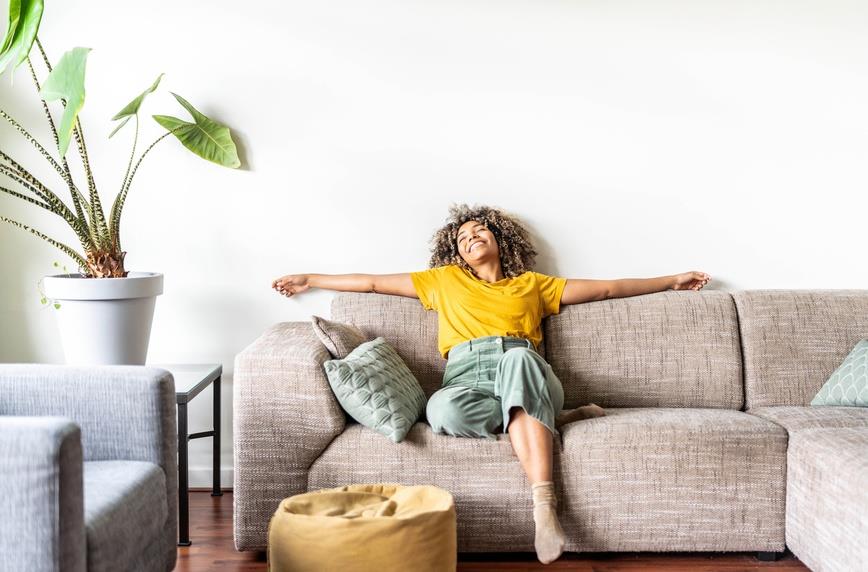

Creating a more comfortable living environment doesn’t require a full home renovation or a designer budget. More often, it comes down to small, thoughtful adjustments that make your space easier to live in day to day. A well-balanced living environment supports how you move, relax, and function at home, without making you think too hard about it.
Start With How You Use the Space
Take note of how you naturally move through each room in your home. If you tend to drop your bag in the same spot every day, consider adding a small table or wall hook there instead of fighting the habit. If everyone gravitates toward one corner of the living room, that’s probably where the seating should be focused.
Comfort improves quickly when your home’s layout supports your routines. Clear walking paths, accessible surfaces, and flexible seating arrangements all make a noticeable difference without requiring new furniture.
Rethink Temperature and Airflow
Temperature plays a bigger role in comfort than people may realize. Even a well-decorated room can feel uninviting if it’s too cold in one spot and too warm in another.
One common issue is blocked airflow. Furniture placed too close to vents or heaters can prevent proper air circulation, leading to uneven temperatures. Baseboard heaters, in particular, need a bit of breathing room to work effectively. Knowing how to place furniture around baseboard heaters allows you to arrange your seating as you like without sacrificing warmth.
If temperature inconsistencies are a recurring issue, it may be worth looking at broader improvements. Sealing drafts, upgrading insulation, and adjusting your HVAC setup are all great ways to create a more energy-efficient home.
Consider Your Lighting Options
Lighting has a subtle but powerful effect on how a space feels. Many homes rely on overhead lighting, which can make rooms feel flat or overly bright, especially in the evening.
A more comfortable approach is to layer different types of lighting. Floor lamps and table lamps provide softer, more localized light, while accent lighting can highlight specific areas like bookshelves or artwork. This layered setup allows you to adjust the mood depending on the time of day or activity.
Pay Attention to Textures
Comfort is tactile as well as visual. The materials in your home affect how it feels to sit, walk, and relax, which means hard surfaces like wood and tile benefit from softer elements that balance them out.
Adding an area rug can make a room feel more grounded, while throw blankets and cushions soften seating areas without overwhelming the overall design. Even small touches, like fabric window treatments or upholstered benches, can help a space feel more inviting.
The goal isn’t to add clutter but to introduce a mix of textures that make the space feel lived-in and approachable. Creating a comfortable living environment means developing a space that feels easy to maintain and easy to enjoy. It doesn’t need to look perfect—it just needs to work for you.
Are You a Professional?
Requests for your services are coming in left and right. Let’s connect and grow your business, together.

